This post may contain affiliate links. Please read our disclosure policy.
I’ve been a cottage cheese fan for as long as I can remember. In fact, one summer during junior high, it became one of the foods that helped me lose weight and feel healthier. My meals were simple—big salads, fresh fruit, and plenty of cottage cheese. By the time school started again, I felt stronger, more confident, and had discovered a food that would become a lifelong staple.
Decades later, cottage cheese still earns a regular spot in my refrigerator. It’s affordable, versatile, satisfying, and an easy way to add protein to meals and snacks.
One question I hear often is how long cottage cheese lasts after opening. The short answer is: not as long as many people think. Here’s what you need to know to keep it fresh and safe to eat.
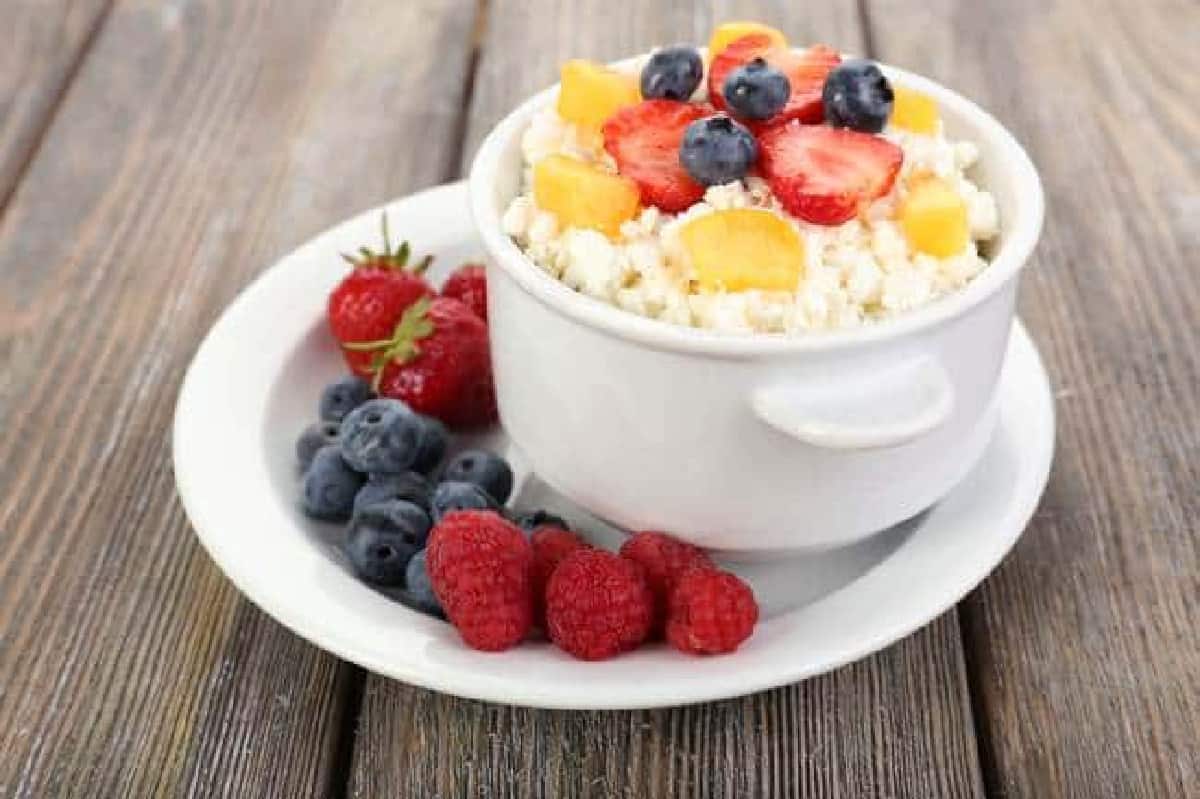
Table of Contents
- How Long Does Cottage Cheese Last After Opening?
- How to Store Cottage Cheese So It Stays Fresh
- How Do You Know If Cottage Cheese Has Gone Bad?
- Can You Freeze Cottage Cheese?
- Is Cottage Cheese Healthy?
- Is Cottage Cheese Good for Weight Loss?
- Which Cottage Cheese Is Best?
- What Is Cottage Cheese?
- Cottage Cheese vs. Greek Yogurt: Which Is Healthier?
- Delicious Ways to Eat Cottage Cheese
- Frequently Asked Questions
- Final Thoughts
- Favorite Cottage Cheese Recipes
How Long Does Cottage Cheese Last After Opening?
An opened container of cottage cheese will usually stay fresh for 7 to 10 days when kept refrigerated at 40°F (4°C) or below. Some manufacturers suggest it may last a little longer, but it’s always best to rely on proper storage and check for signs of spoilage before eating.
Here’s a quick guide:
| Cottage Cheese | How Long It Lasts |
|---|---|
| Unopened | Until the “Best By” date if continuously refrigerated |
| Opened | About 7–10 days |
| Left at room temperature | No more than 2 hours |
| Frozen | Up to 2–3 months (quality may decline) |
The “Best By” date is a guide to peak quality—not necessarily food safety. If your cottage cheese has been properly refrigerated, it may still be fine for a short time beyond that date. Always use your senses before eating.
How to Store Cottage Cheese So It Stays Fresh
Like most fresh dairy products, cottage cheese should be refrigerated as soon as possible after purchasing and returned to the refrigerator promptly after serving.
To help it stay fresh:
- Keep the refrigerator at 40°F (4°C) or colder.
- Store cottage cheese in its original container with the lid tightly closed.
- Always use a clean spoon when serving.
- Avoid leaving the container on the counter while preparing meals.
- Smooth the surface after serving to reduce exposure to air.
- If liquid (whey) separates, simply stir it back in.
Some people recommend storing the container upside down to create a tighter seal. While many home cooks swear by this trick, proper refrigeration and good food-handling habits are much more important for maintaining freshness.
Remember, cottage cheese is a fresh cheese. Unlike aged cheeses such as cheddar or Parmesan, it doesn’t continue to ripen, so it has a relatively short shelf life once opened.
How Do You Know If Cottage Cheese Has Gone Bad?
Even if the “Best By” date hasn’t passed, cottage cheese can spoil if it hasn’t been stored properly. Before taking that first bite, take a quick look—and a quick sniff.
Here are the easiest ways to tell if it’s time to toss it:
1. It Smells Sour or Unpleasant
Fresh cottage cheese has a clean, mild dairy aroma. If it develops a strong sour smell or any unpleasant odor, it’s best to throw it away.
2. You See Mold or Discoloration
Any visible mold—whether it’s green, blue, pink, or black—is a sure sign the cottage cheese should be discarded. Likewise, if you notice unusual discoloration or dark spots, don’t take a chance.
3. The Texture Has Changed Dramatically
It is perfectly normal for a little liquid (whey) to collect on top of cottage cheese. Simply stir it back in.
However, if the cottage cheese becomes excessively watery, slimy, or develops a noticeably different texture, it’s safest to discard it.
4. It Has Been Open Too Long
Even if your cottage cheese looks and smells fine, it’s wise to use it within about 7 to 10 days after opening. If you’re not sure how long it’s been sitting in the refrigerator, it’s usually better to err on the side of caution.
When in doubt, throw it out.
Can You Freeze Cottage Cheese?
Technically, yes—but whether you should depends on how you plan to use it.
Freezing won’t make cottage cheese unsafe to eat, but it does change its texture. As it freezes and thaws, the curds tend to become drier, grainier, and less creamy.
If you enjoy cottage cheese straight from the container, you’ll probably be disappointed after freezing.
On the other hand, thawed cottage cheese works surprisingly well in cooked dishes where texture isn’t as important, such as:
- Lasagna and baked pasta dishes
- Casseroles
- Pancakes and muffins
- Smoothies
- Cheesecake fillings and other baked desserts
For best quality, freeze cottage cheese in an airtight freezer-safe container for up to 2 to 3 months. Thaw it overnight in the refrigerator and stir well before using.
Another great option is to use cottage cheese in a prepared recipe and freeze the finished dish. The texture changes are much less noticeable once it’s baked into a casserole or blended into another recipe.
Is Cottage Cheese Healthy?
In a word—yes!
Cottage cheese has been a healthy eating staple for decades, and for good reason. It’s packed with high-quality protein, naturally rich in calcium, and provides several important vitamins and minerals, all for relatively few calories.
One cup of low-fat cottage cheese contains approximately:
- 170–180 calories
- 24–28 grams of protein
- Calcium for healthy bones and teeth
- Phosphorus to support bone health and energy production
- Vitamin B12, which helps keep your nerves and blood cells healthy
- Selenium, an antioxidant that supports immune function
Because it’s so high in protein, cottage cheese is filling and satisfying. The protein in cottage cheese is primarily casein, a slow-digesting protein that helps keep you feeling full longer and provides a steady supply of amino acids between meals.
Whether your goal is to lose weight, maintain a healthy weight, or simply include more protein in your diet, cottage cheese can be an easy, nutritious choice.
Is Cottage Cheese Good for Weight Loss?
Many people—including me—have found cottage cheese to be a helpful part of a weight-loss journey.
Its combination of protein and relatively low calories can help curb hunger and make meals more satisfying. Pair it with fresh fruit, vegetables, or whole-grain toast, and you have a balanced snack or light meal that can keep you energized for hours.
When I was in junior high, cottage cheese became one of the foods that helped me develop healthier eating habits. While no single food is a magic solution, it’s one I’ve continued to enjoy for decades because it’s simple, satisfying, and incredibly versatile.
If you’re following WeightWatchers® or another healthy eating plan, cottage cheese is an excellent way to add protein without using many calories or Points®.
Which Cottage Cheese Is Best?
You’ll find several varieties at the grocery store:
- Nonfat – Highest in protein and lowest in calories.
- Low-fat (1% or 2%) – A nice balance of creaminess and nutrition.
- Whole milk – Richer and creamier, with more fat and calories.
You’ll also see small-curd and large-curd cottage cheese. The difference is simply the size of the curds—choose whichever texture you enjoy most.
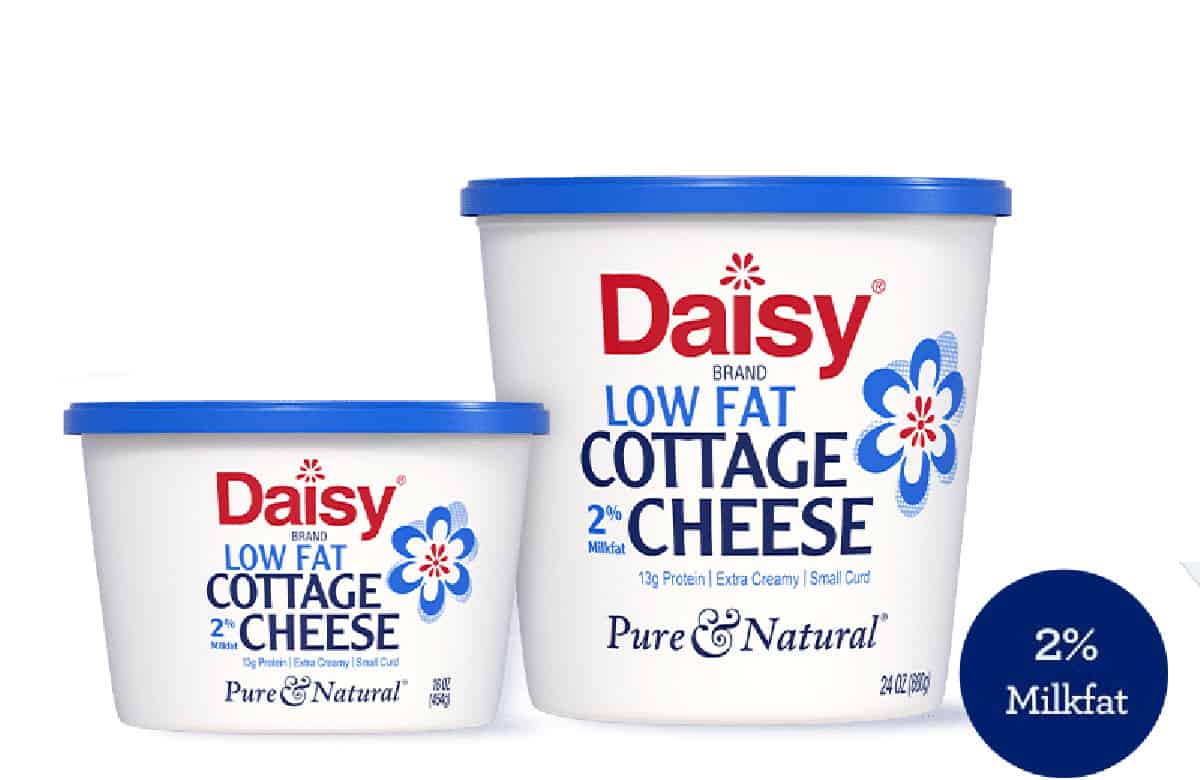
My personal favorite is Daisy Cottage Cheese. I like its fresh, creamy flavor and simple ingredient list. But there are many excellent brands available, so don’t be afraid to try a few and discover your favorite.
If you’re not crazy about the texture of cottage cheese, don’t give up on it just yet. A quick whirl in a blender (affiliate link) or food processor (affiliate link) transforms it into a smooth, creamy spread or dip that’s perfect for toast, smoothies, sauces, and desserts.
What Is Cottage Cheese?
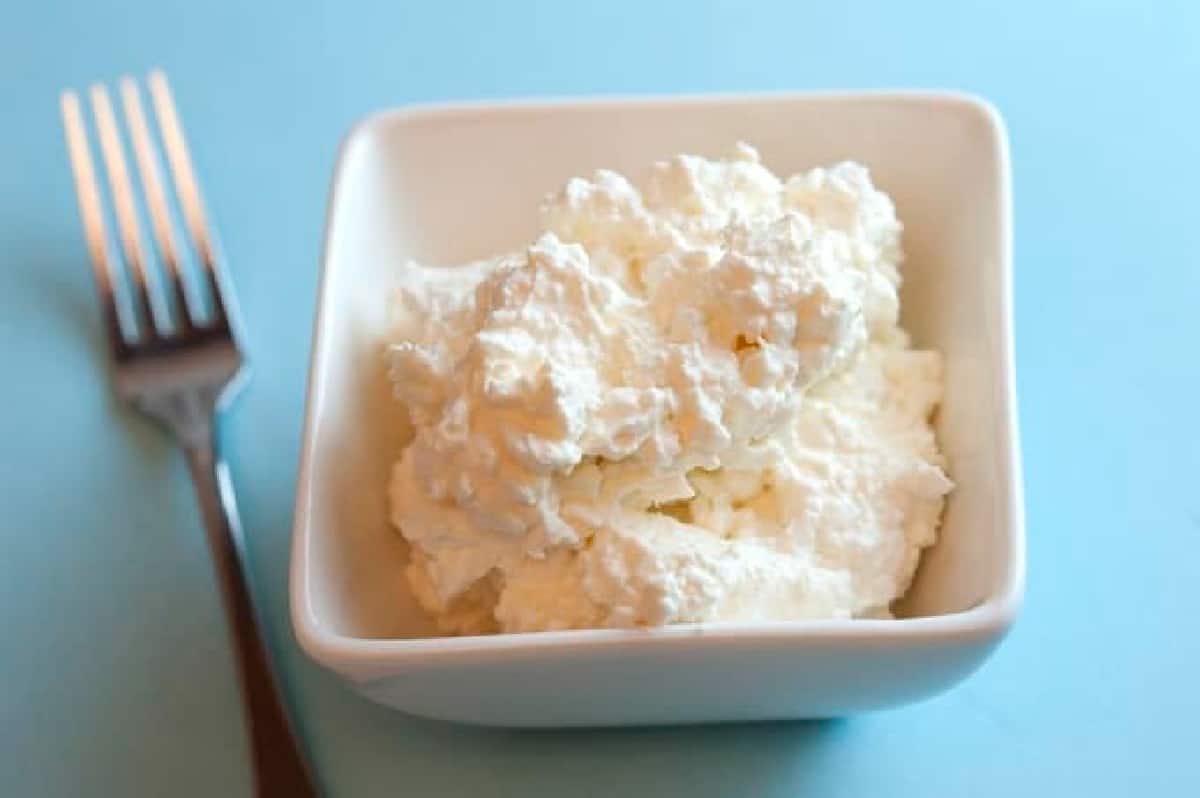
Cottage cheese is a fresh, soft cheese made by adding an acid or bacterial culture to milk, causing it to separate into curds and whey. The curds are then drained, lightly rinsed, and mixed with a small amount of cream to create the mild, creamy cheese we know and love.
Unlike aged cheeses such as cheddar, Swiss, or Parmesan, cottage cheese isn’t aged or ripened. That’s why it has a fresh, delicate flavor and a relatively short shelf life.
You’ll find several varieties at the grocery store, including nonfat, low-fat, and whole milk cottage cheese, as well as both small-curd and large-curd styles. While the nutritional differences are fairly minor, the texture and richness vary enough that you may prefer one over another.
If the curds aren’t your favorite, try blending cottage cheese until smooth. It transforms into a creamy, protein-rich ingredient that’s perfect for smoothies, dips, sauces, cheesecakes, and even pasta dishes.
Cottage Cheese vs. Greek Yogurt: Which Is Healthier?
Both cottage cheese and Greek yogurt are nutritious, protein-rich dairy foods that can fit into a healthy eating plan. Which one is “better” really depends on your personal preferences and nutritional goals.
| Cottage Cheese | Plain Greek Yogurt | |
|---|---|---|
| Protein | Slightly higher | High |
| Calories | About the same | About the same |
| Calcium | Excellent source | Excellent source |
| Sodium | Usually higher | Usually lower |
| Probiotics | Usually not | Yes |
Cottage cheese is a great choice if you’re looking for a filling, high-protein food with a mild flavor that works well in both sweet and savory dishes.
Greek yogurt has the advantage of containing probiotics, beneficial bacteria that support gut health. It’s also typically lower in sodium than cottage cheese.
The good news? You don’t have to choose one over the other. Both are wholesome, versatile foods that make nutritious breakfasts, lunches, snacks, and recipe ingredients.
Delicious Ways to Eat Cottage Cheese
One of the reasons I’ve enjoyed cottage cheese for so many years is its versatility. Its mild flavor makes it easy to pair with both sweet and savory foods.
Here are some of my favorite ways to enjoy it:
With Fresh Fruit
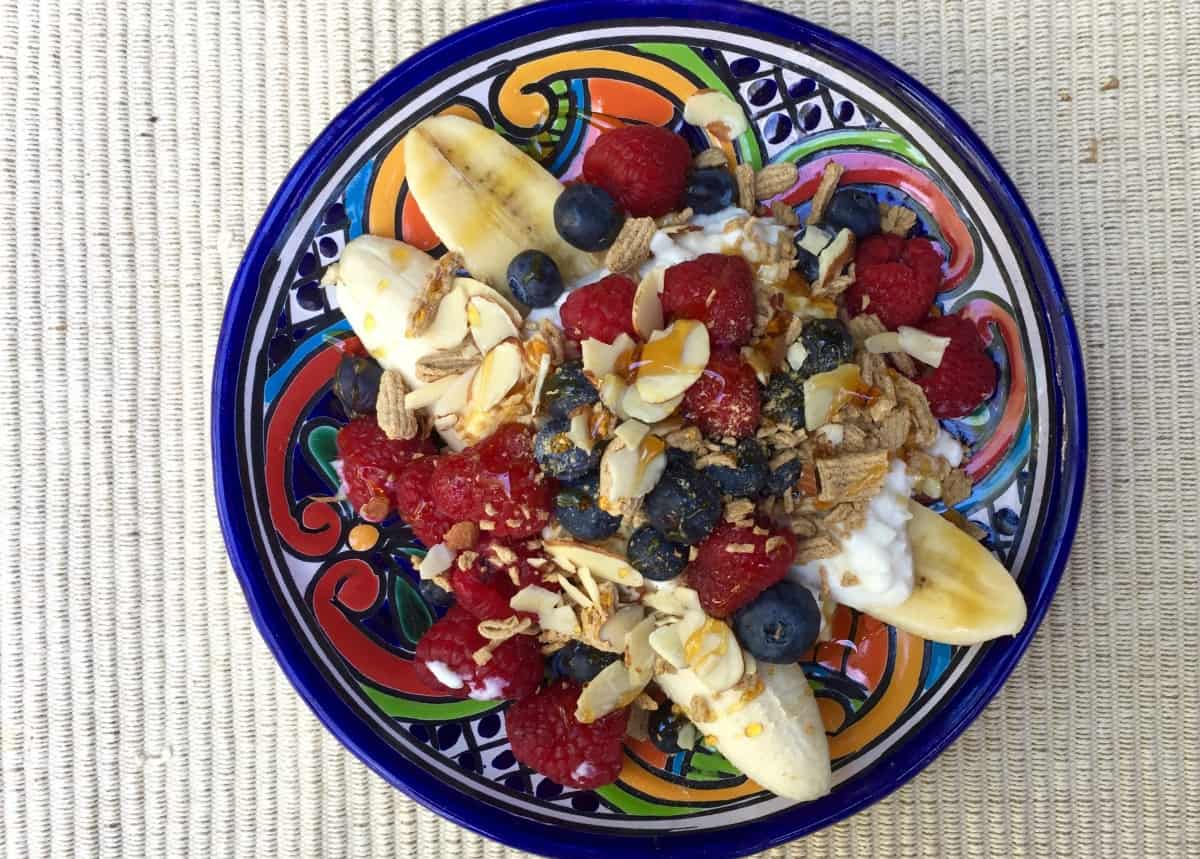
Top cottage cheese with berries, peaches, pineapple, melon, mandarin oranges, cherries, or sliced bananas for an easy, protein-packed breakfast or snack.
On Toast
Spread cottage cheese on whole-grain toast and drizzle with a little honey or top with sliced tomatoes, cucumber, or avocado. I also love it in my longtime favorite WW Danish, a lighter take on a cream cheese danish.
In Smoothies
Blend cottage cheese into smoothies for extra creaminess and protein. It is one of the secrets behind my Strawberry Cheesecake Smoothie.
In Pancakes
Mix cottage cheese into pancake or waffle batter to create light, fluffy pancakes with an extra protein boost. Give my Cottage Cheese Power Pancakes a try.
In Salads
A scoop of cottage cheese adds satisfying protein to green salads or fruit salads. It’s also delicious alongside fresh tomatoes with a sprinkle of black pepper.
As a Sour Cream or Ricotta Substitute
Use cottage cheese in place of ricotta in lasagna or stuffed shells, or blend it until smooth and substitute it for sour cream in dips, casseroles, and baked potatoes.
With Eggs
Stir a spoonful into scrambled eggs or omelets for extra creaminess and protein. Check out my Microwave Cottage Cheese Scrambled Eggs.
Frequently Asked Questions
Can you eat cottage cheese after the Best By date?
Usually, yes—provided it has been properly refrigerated and shows no signs of spoilage. The “Best By” date indicates peak quality, not necessarily food safety. Always check the smell, appearance, and texture before eating.
Why is there liquid on top of cottage cheese?
The liquid is whey, a natural part of cottage cheese. It’s completely normal. Simply stir it back into the curds before serving.
Can cottage cheese sit out overnight?
No. Like other dairy products, cottage cheese should not be left at room temperature for more than about two hours (or one hour if the temperature is above 90°F). If it’s been left out longer than that, it’s safest to discard it.
Can you eat cottage cheese every day?
For most people, yes. Cottage cheese is a nutritious source of protein, calcium, and other essential nutrients. If you’re watching your sodium intake, you may want to compare labels, as sodium levels vary among brands.
Is cottage cheese gluten-free?
Most plain cottage cheese is naturally gluten-free, but it’s always a good idea to read the ingredient label if you have celiac disease or gluten sensitivity.
Final Thoughts
Cottage cheese has earned a permanent place in my refrigerator—and in my kitchen. It’s affordable, satisfying, packed with protein, and incredibly versatile. Whether you enjoy it with fresh fruit, spread on toast, blended into smoothies, or incorporated into your favorite recipes, proper storage will help keep it fresh and delicious.
I hope this guide has answered your questions about how long cottage cheese lasts after opening and given you a few new ideas for enjoying it along the way.
If you’re looking for more inspiration, be sure to check out my favorite cottage cheese recipes below!