
This post may contain affiliate links. Please read our disclosure policy.
Table of Contents
- My Experience with WeightWatchers Old Food Based Exchange Plan VS. The WW Points Based Programs
- “The old Weight Watchers food based exchange program (Quick Success) from the late 1980s / early 1990s was better for my personal weight loss than counting Points”
- How I Came to the Conclusion that WW Food Exchanges Was Better than Points
- Why I Think the Old Weight Watchers Food Based Exchange Plan Was Better for Weight Loss
- Basics of the Weight Watchers Food Based Exchange Weight Loss Program
- Examples from the WeightWatchers Protein Exchange Group
- Sample Daily Menu Based on OLD WW Food Exchanges*
- Sample of Old Weight Watchers Quick Start Food Tracker
- A Comparison of WW Food Exchanges VS WW Points
- My Favorite WW Cookbooks with Food Exchange Information
- More Helpful Articles for WeightWatchers
My Experience with WeightWatchers Old Food Based Exchange Plan VS. The WW Points Based Programs
Did you ever have a nagging thought that you just couldn’t get out of your head? Here’s one that I’ve been wrestling with for a while now:
“The old Weight Watchers food based exchange program (Quick Success) from the late 1980s / early 1990s was better for my personal weight loss than counting Points”
This would be quickly followed by: “How could that be?” “You’re nuts.” “Weight Watchers is a huge public company that knows a lot more than you do.” “It’s so retro.” “It’s just because you learned it first, it’s the plan you had initial success with and became a lifetime member following.” “You’re being nostalgic.”
I did lose weight and become a lifetime member following, Quick Success, Weight Watchers food based exchange program, long before they switched over to Points. I followed the plan, learned a ton about healthy balanced eating and portion control and consistently lost weight week after week.
Naive and cocky, I failed to take maintenance seriously. I thought I’d be able to go it alone—a big mistake in retrospect. Live and learn. I now know that I need systems, discipline, accountability and support to maintain a happy healthy weight. It’s a lifelong journey.
Martha McKinnon’s Weight Watchers Story: Part 1
Martha McKinnon’s Weight Watchers Story: Part 2
Martha McKinnon’s Weight Watchers Story: Part 3
How I Came to the Conclusion that WW Food Exchanges Was Better than Points
Recently, I had a lightbulb moment: While I learned the Weight Watchers Points and Points Plus systems, and know how to calculate them, I don’t think in terms of Points, I think in terms of numbers of servings of food groups. What I learned way way back in that early 1990s Weight Watchers exchange plan has stuck with me all these years.
I think because it’s logical. You eat real food from all the food groups: starch, protein, fat, fruits, vegetables, and dairy. You are allotted so many servings from each food group every day. Once you learn serving sizes and number of servings, it’s easy to stay on track.
This way of eating was first developed for diabetics as a way to keep their blood sugar stable. And it worked really well for me. It’s a healthy balanced way of eating. It was “clean eating” back before such a term even existed.
Food exchange programs like this have been around for decades and are well tested. There’s nothing sexy, flashy or trendy about them, but they work. With exchanges you never forget that you are talking about FOOD.
So, while counting points works for some people, so does counting counting calories or food groups, and I think it’s a whole lot simpler, which is important when you are prone to laziness the way I am. When it comes to weight loss, simple is the only thing that has ever worked for me.
Then I read this interesting article in the NYT Article, which agreed with me and essentially said…
“…Recognizing this new evidence, the scientists on the 2015 Dietary Guidelines Advisory Committee, for the first time in 35 years have sent recommendations to the government without any upper limit on total fat. In addition, reduced-fat foods were specifically not recommended for obesity prevention. Instead, the committee encouraged consumption according to healthful food-based diet patterns
The limit on total fat is an outdated concept, an obstacle to sensible change that promotes harmful low-fat foods, undermines efforts to limit refined grains and added sugars, and discourages the food industry from developing products higher in healthy fats. Fortunately, the people behind the Dietary Guidelines understand that. Will the government, policy makers and the food industry take notice this time?”
It turns out the scientists on the 2105 Dietary Guidelines Advisory Committee for the US, agree with me 🙂 We should learn to eat according to healthful food-based diet patterns, just like I learned to do back with that old Weight Watchers Quick Start Exchange Program.
The sad thing is that US dietary policy and Weight Watchers can’t change on a dime. It will take years or decades for this information to make its way out to the masses. In the meantime folks will continue to struggle with low fat diet thinking.
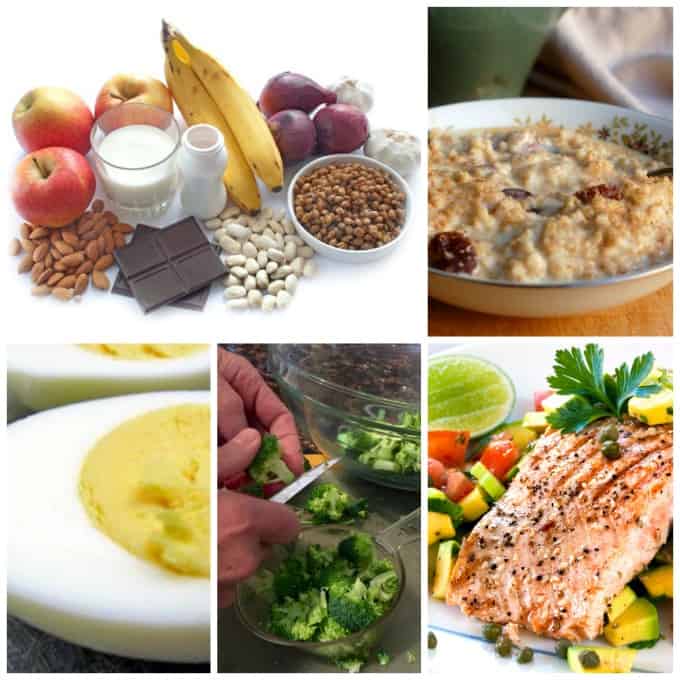
Why I Think the Old Weight Watchers Food Based Exchange Plan Was Better for Weight Loss
I learned healthy balanced eating and portion control. It was not as restrictive as the Old Original Weight Watchers Plan from the 1960s, but more so than today’s approach which doesn’t provide enough structure and discipline for some folks.
I believe that when you are learning a new skill, such as healthy balanced eating, you need to start with the basics. You need clear instructions and guidance. You essentially need to be told what to do. You need training wheels until you learn to find your balance and begin riding without them.
We somehow have gotten to the place in our development where many of us are completely confused about how to feed ourselves in a healthy balanced way. We are overwhelmed by conflicting information. I was lost and confused when I first began WW back in the early 1990s.
WW Quick Success with it’s food based exchanges taught me a healthy balanced approach to eating that I’ve carried with me through to today.
The exchange lists group foods together because they are alike. Foods on each list have about the same amount of carbohydrate, protein, fat and calories.
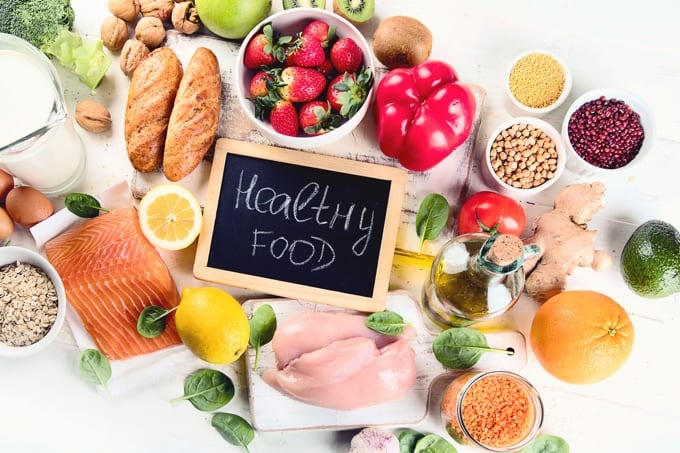
Basics of the Weight Watchers Food Based Exchange Weight Loss Program
Under the Weight Watchers Quick Success Program, as a woman, I was allowed the following each day:
- 2-3 fruit exchanges
- 3+ vegetable exchanges
- 5-6 protein exchanges
- 2-3 bread/starch exchanges
- 3 fat exchanges
- 2 milk exchanges
- Beginning with the 5th week 1 optional floating exchange
- Optional calories per week: no more than 150 week 1, no more than 200 week 2 no more than 300 week 3, no more than 400 week 4, no more than 500 week 5 and beyond.
*Men and Youths add 2 Protein Exchanges, 2 Bread Exchanges, and 1 Fruit Exchange; Youths add 1 Milk Exchange
Once you had used up your exchanges and optional calories, the only choice was to supplement with vegetables if you were still hungry. There were days when I ate a lot of vegetables 🙂 Green beans and salsa were a particular favorite.
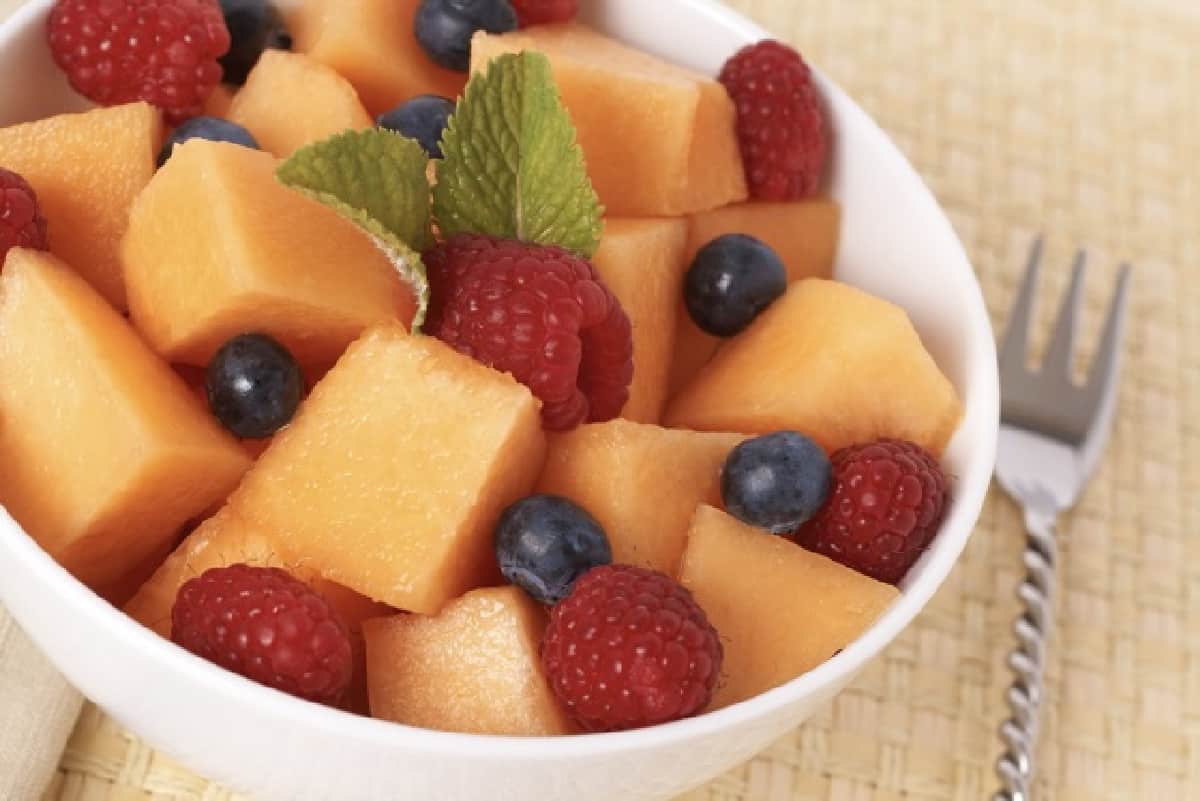
Examples from the WeightWatchers Fruit Exchange Group
Generally 1 serving is equal to:
- 1 small fruit like an apple or orange (about 4 ounces or 3/4 cup)
- 1 cup strawberries
- 1 cup melon
- 1/2 banana
- 1/2 medium grapefruit
- 1/2 cup blueberries, blackberries, raspberries
- 12 large or 20 small grapes
- 1/2 cup canned unsweetened fruit
- 1/2 cup fruit juice
- 2 dates
- 4 dried apricot halves
- 2 tablespoons raisins

Examples from the Weight Watchers Vegetable Exchange Group
Generally 1 serving is equal to:
- 1 cup raw leafy green vegetables like lettuce or spinach
- 1/2 cup of most other vegetables, raw or cooked
- 1/2 cup vegetable juice
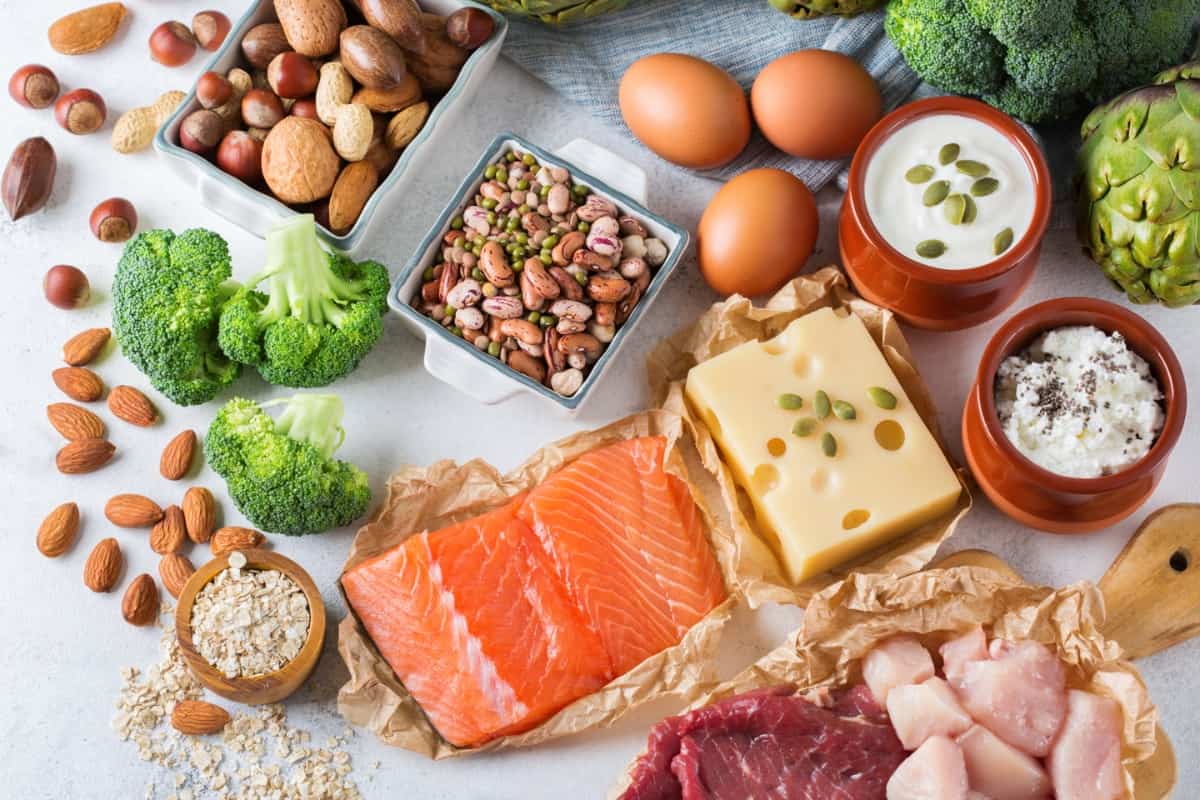
Examples from the WeightWatchers Protein Exchange Group
Generally 1 serving is equal to:
- 1 ounce cooked meat, poultry or fish
- 1 egg
- 1 ounce hard or semisoft cheese
- 1/3 cup cottage cheese
- 1/4 cup canned tuna or salmon
- 3 ounces tofu
- 1/4 cup cooked dried beans, peas or lentils
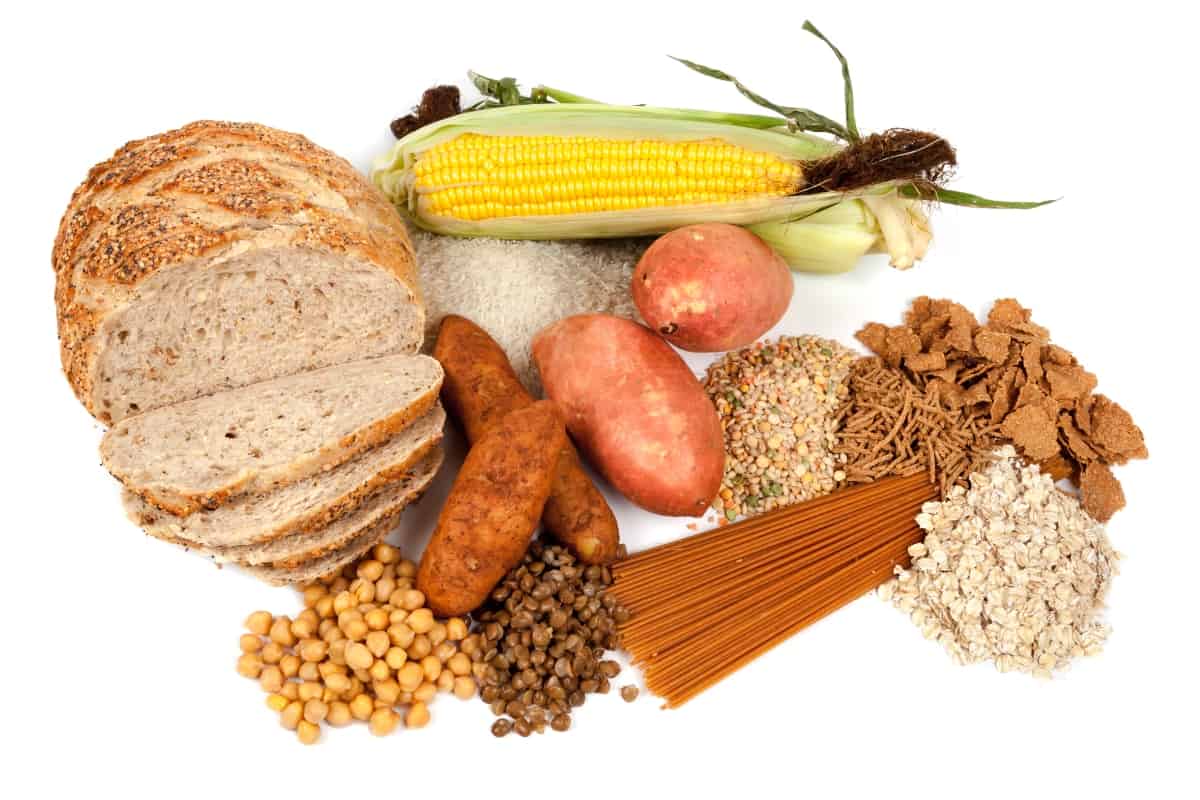
Examples from the WeightWatchers Bread/Starch Exchange Group
Generally 1 serving is equal to:
- 1-ounce of bread or crackers
- 1/2 english muffin
- 1/2 cup cooked cereal or pasta
- 3/4 cup cold cereal
- 1/2 cup starchy vegetable (potatoes, peas, corn)
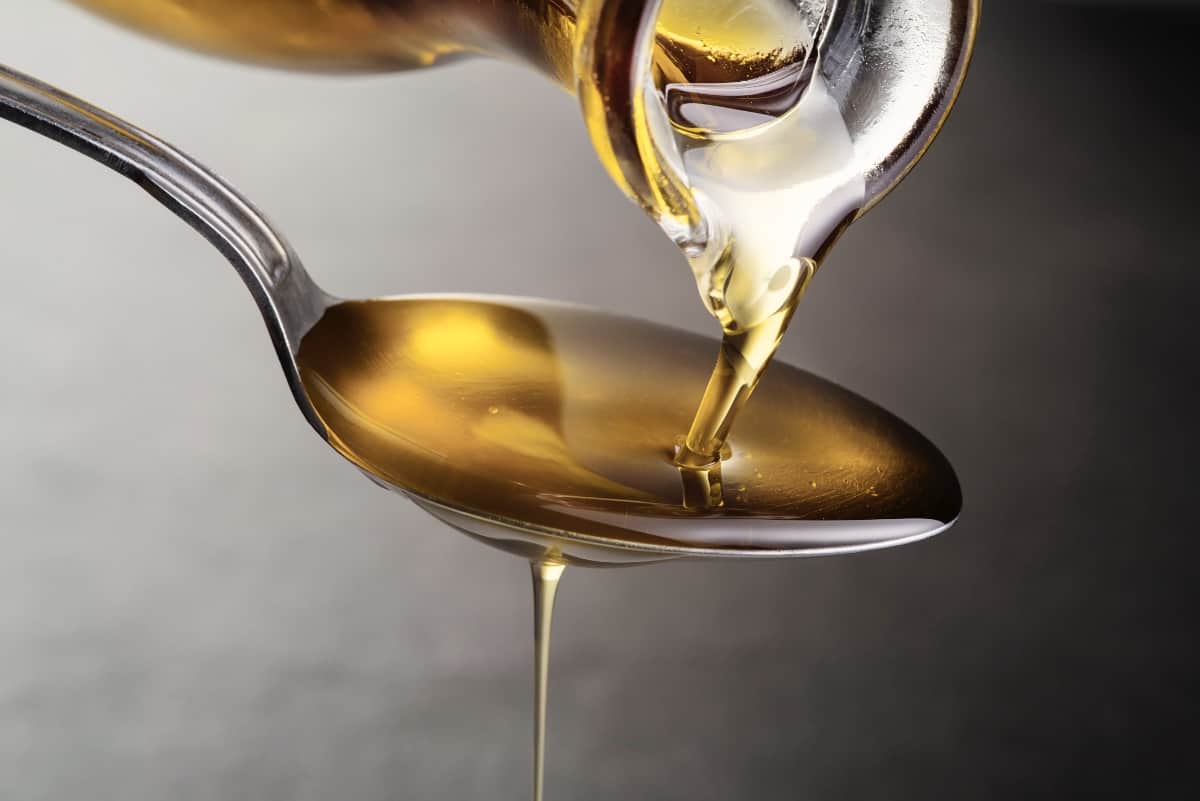
Examples from the WeightWatchers Fat Exchange Group
Generally 1 serving is equal to:
- 1 teaspoon oil or butter or margarine or lard or mayonnaise or animal fat
- 1-1/2 teaspoons salad dressing
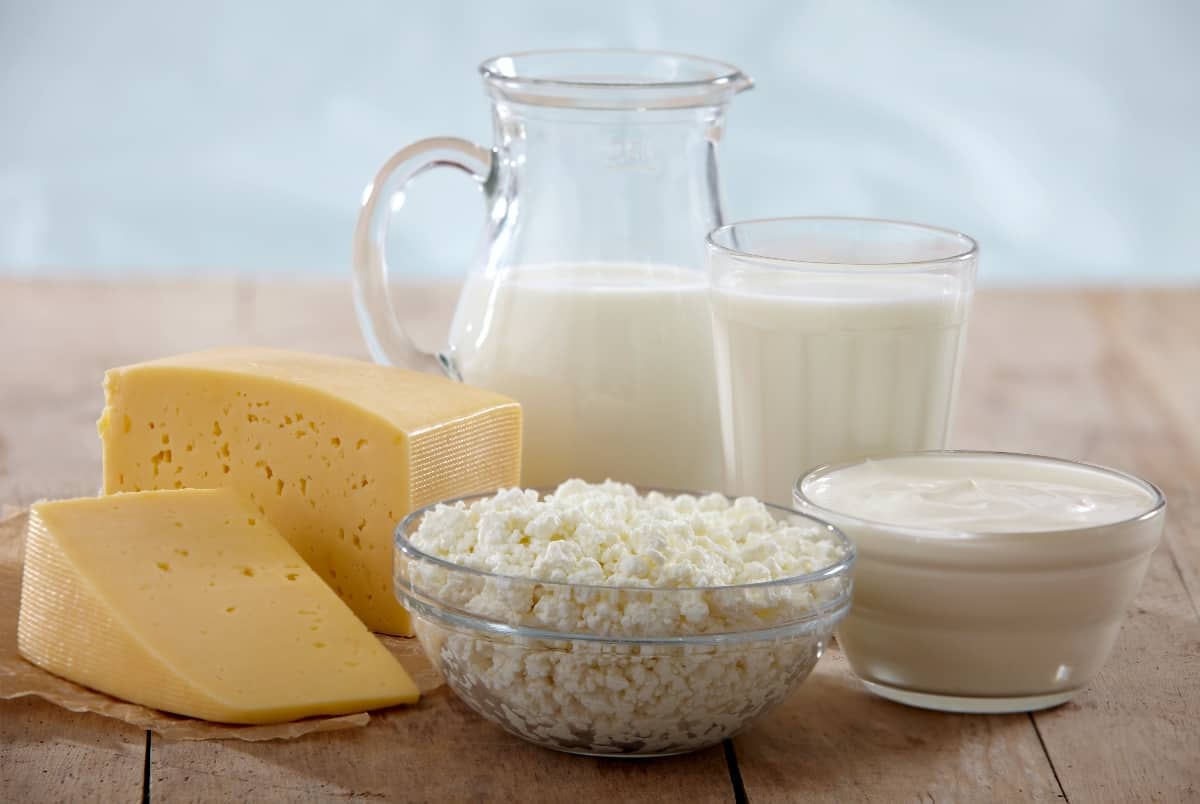
Examples from the Weight Watchers Milk/Dairy Exchange Group
Generally 1 serving is equal to:
- 1 cup skim milk or 1% fat milk
- 1 cup soy milk
- 3/4 cup buttermilk
- 1/3 cup instant nonfat dry milk
- 1/2 cup low fat yogurt
- 3/4 cup nonfat yogurt
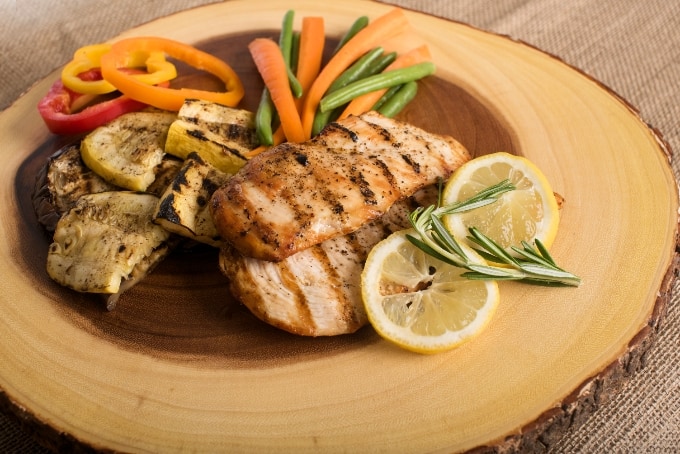
Sample Daily Menu Based on OLD WW Food Exchanges*
BREAKFAST
- 1/2 cup Pineapple Chunks
- 1/3 cup Cottage Cheese
- 1/2 cup Skim Milk
- Coffee or Tea
LUNCH
- Chicken & Swiss on Rye (1-1/2 ounces sliced chicken and 1/2 ounce Swiss cheese, lettuce, and 1 teaspoon mayonnaise on 2 slices reduced calorie rye bread)
- 6 Celery Sticks and 3 Cherry Tomatoes
- 1 cup Watermelon Chunks
- Coffee, Tea or Mineral Water
DINNER
- 3 ounces Baked Chicken Cutlet sprinkled with Lemon Juice and Chopped Parsley
- 1 serving Mozzarella, Tomato and Arugula Salad
- 1/2 cup each cooked Cauliflower and Green Beans
- 1/2 cup pudding
SNACK
- 1 cup Strawberries with 1/2 cup Plain Yogurt
*Men and Youths add 2 Protein Exchanges, 2 Bread Exchanges, and 1 Fruit Exchange; Youths add 1 Milk Exchange
This Simple 7-Day WW Friendly No Recipe Meal Plan: Summer Edition is inspired by this easy approach to balanced eating I came to love.
The system provided much more structure than the current points system which was important because I was clueless about how to nourish myself. It forced me to eat in a balanced way that’s effective at keeping hunger at bay.
The old system taught me about what foods are categorized as proteins, starches, fats, fruits, vegetables and milk. And what amount makes a serving. I learned that 1/2 a medium banana or 12 large grapes was equal to 1 fruit exchange and that 1/2 cup of cooked rice or pasta or one one ounce slice of bread equaled one starch exchange.
Sample of Old Weight Watchers Quick Start Food Tracker
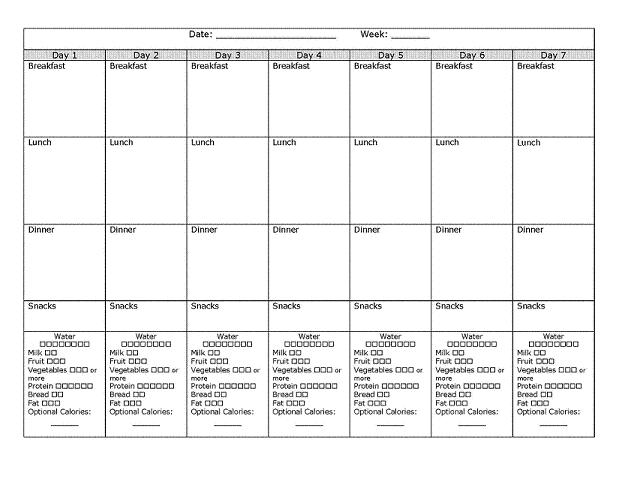
These days when I want to track/food journal for a few days, I tend to use a small notebook. I just jot down what I ate for breakfast, lunch, dinner and snacks. And I use check marks to keep track of my exchanges:
Example
B) 1/3 cup cottage cheese (1 Protein), 1/2 cup pineapple chunks (1 fruit), 1 slice wheat toast (1 bread)
Milk (2):
Fruit (3):
Veg (3+):
Protein (6):
Bread (2):
Fat (3):
Optional Cals:

A Comparison of WW Food Exchanges VS WW Points
Weight Watchers Food Exchanges Approach:
1. Basis:
- Concept: This approach categorizes foods into groups based on their macronutrient content (carbohydrates, proteins, fats) and assigns specific portions or “exchanges” for each group.
- Focus: Emphasizes portion control and balance among different food groups.
2. Pros:
- Simplicity: It provides a straightforward way to categorize and plan meals.
- Nutrient Balance: Encourages a balanced intake of carbohydrates, proteins, and fats.
- Education: Helps individuals understand the nutritional composition of different foods.
- Behavioral Aspects: Includes support groups and focuses on behavior change for long-term success.
3. Cons:
- Rigidity: Some find the need to track exchanges for every meal can be restrictive.
- Individual Variability: May not account for individual differences in metabolism or dietary needs.
Weight Watchers Points-Based Approach:
1. Basis:
- Concept: Assigns a point value to foods based on their nutritional content, with an emphasis on calories, saturated fat, sugar, and protein.
- Focus: Promotes flexibility by allowing individuals to eat any food within their allocated daily or weekly points.
2. Pros:
- Flexibility: Allows for a wide variety of foods, as long as individuals stay within their allotted points.
- Adaptability: Can be personalized based on individual preferences and dietary restrictions.
- Behavioral Aspects: Includes support groups and focuses on behavior change for long-term success.
3. Cons:
- Complexity: Some may find the points system complex, especially when starting.
- Subjectivity: Points are assigned based on specific criteria, which might not perfectly reflect an individual’s nutritional needs.
Summary:
- The Weight Watchers food exchange-based diet focused on categorizing foods into groups, promoting balance and portion control.
- The Weight Watchers Points-based approach assigns points to foods based on nutritional content, offering increased flexibility in dietary choices.
Ultimately, the choice between the two depends on individual preferences, lifestyle, and the level of structure or flexibility desired. Some people may find success with one method over the other based on their personal preferences and adherence. The bottom line is that to lose weight you need to figure out a way to eat less (create a calorie deficit) that you can live with.
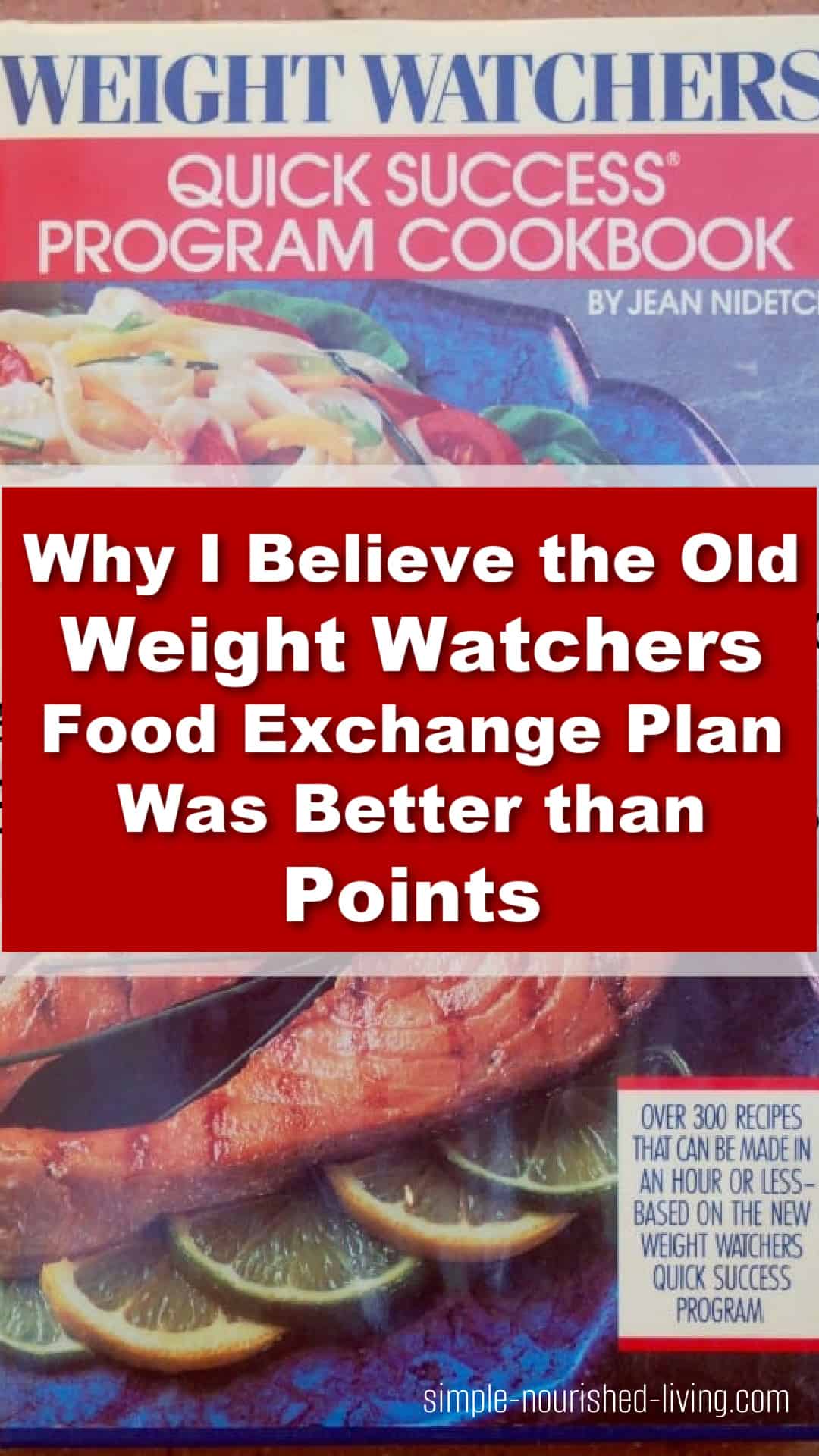
If Points are working for you and you don’t find the process cumbersome, that’s great. Stick with what is working for you. But if counting points is not working, if calculating them seems overly complicated, or if you feel like you need more structure, you may want to experiment with the old food based exchange approach, like the one in the Weight Watchers’ Quick Success Program Cookbook.


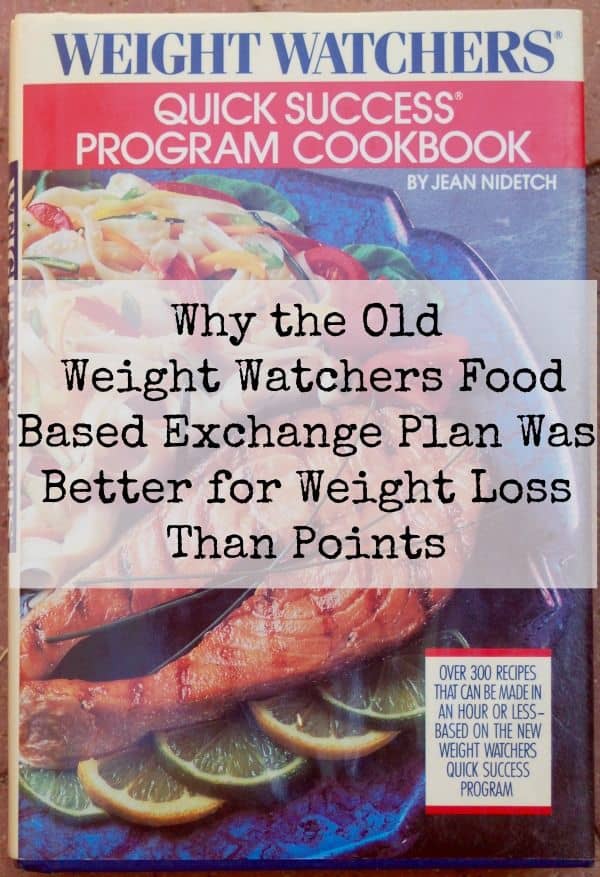
If you are interested in following the old WW Program you can buy the Weight Watchers’ Quick Success Program Cookbook, which includes plan/program details and 5 weeks of Meal Plans on Amazon.
My Favorite WW Cookbooks with Food Exchange Information
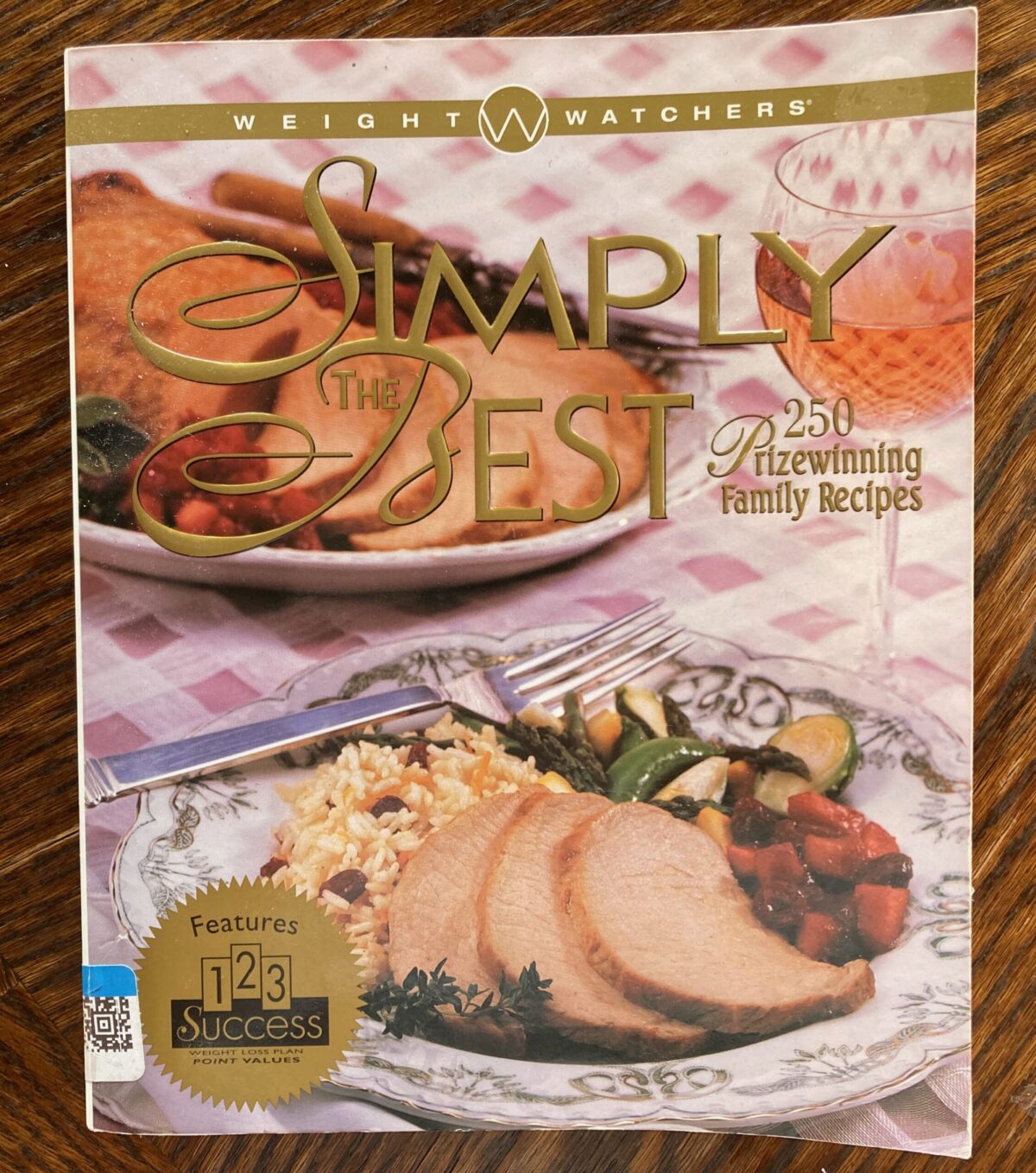
WeightWatchers included food exchange details in their cookbooks published through 1999. Some of my favorite WW Cookbooks with exchange information are:
- Weight Watchers Simply the Best: 250 Prizewinning Family Recipes (1997)An award-winning collection of 250 recipes submitted by Weight Watchers members that are sure to win rave reviews from your own friends and family. Simply the Best has a recipe to please every palate: Asian Meatballs, Corn and Bean Chowder, Cranberry Basmati Rice, Chicken Tetrazzini — plus a wealth of selections from soups and appetizers to main dishes and desserts.This is one of my favorites from which I’ve cooked dozens of recipes, mostly before I began this website.
- Shrimp Salsa
- Hot Shrimp Dip
- Cream of Broccoli-Cheese Soup
- Tortellini Soup
- Chicken Waldorf Salad
- Baked Yams with Pineapple
- Black Bean Fiesta Salad
- Orange Cucumber Salad
- Arroz con Pollo
- Grilled Chicken with Mozzarella and Red Peppers
- Shrimp with Feta and Tomatoes
- Greek Spinach and Rice
- Beans and Rice Ole
- Weight Watchers Favorite Homestyle Recipes: 250 Prize-Winning Recipes from Weight Watchers Members and Staff
I’ve had this cookbook since my initial go-around with Weight Watchers back in the early 1990s. Because the recipes were contributed by Weight Watchers members, staff and magazine readers they are simpler and down-home in nature.
- Weight Watchers Simply Light Cooking: 250 Recipes from the Kitchens of Weight Watchers
Another book I picked up at VNSA Used Book Sale, this was published in 1992, so it predates Points Plus, making it a good choice for folks who prefer to count exchanges. The nutritional information needed to calculate Points is provided. Many of the recipes are designed to serve 1 or 2.
More Interesting Reading About Food Exchange Plans
- Healthy Slice of Life
- Frugal Fat Loss Exchange Plan
- Diet to Go Meal Delivery: Healthy Eating Made Easy
More Helpful Articles for WeightWatchers
- A Comprehensive Guide to Success with WeightWatchers Program
- What Was the Old WeightWatchers Original Program from the 1960s Like?
- The Most Commonly Tracked Foods on WeightWatchers Points Program
- Advice to People Doing WeightWatchers from Successful Members
- Healthy WeightWatchers Weekly Meal Plans
Originally published July 2015; Updated with new photos and content January 2023




Wow, great article! You are so right! I was born in the fall of ’88 and my brothers arrived together in ’91. Both times my mother lost all the pregnancy weight and then some on this Weight Watchers plan. She even fit my dad’s jeans- and he’s very skinny. Over the years, she went back to the Quick Success program again and again. She used to draw little boxes in a note book and put a scale on the table. I used to think it was funny. Now, approaching 60, she looks great and still weights less than when she got married in ’87. Isn’t that incredible?
When I got sick and started to gain weight when I was in my twenties, nobody suspected my thyroid. It took years. By the time I realized the problem with the help of Google and my doctor gruffly confirmed the diagnosis, I had gained 65 pounds in 3 years. I needed a diet, but the expensive new Weight Watchers points system with the app confused me. I even bought all the official meeting books (second hand) to help me, but the whole idea of translating calories into a different number that made me dependent on the app or the books forever seemed silly to me. It was all so vague. I just couldn’t comprehend the diet somehow, couldn’t visualize what it should look like. It was disheartening. I’m not dumb, but I was one of those dreamy kids. I have a little trouble with focus and concentration. It’s annoying how easily I feel overwhelmed, but it is what it is, I apparently need structure and a way to make that visible. (I love FlyLady, for instance.) This diet turned out to be perfect for me.
When the expensive new Weight Watchers didn’t work for me and I didn’t want to go on a restrictive hippie (your-body-is-a-temple) diet, I borrowed my mother’s book and bought a couple of other old Quick Start books from the Dutch eBay. I lost 55 pounds the first time over 6 months. When something went wrong with my thyroid medication and I got sick again, I gained fast and needed to go on a diet again, resulting in a 25 pound loss on the Exchange Program to get back to where I needed to be. I cried when I fit my old jeans again.
It’s 3 years since my last diet and I need to start all over again though. First the formulation of one part of medication was changed and didn’t work for my anymore. Then 4 months later, my other pills were changed to make them lactose-free, and they didn’t work anymore. It was horrible. I have different meds now and I’m healthy again, but again I gained a ton of weight. Staying indoors for the corona virus and sad-eating hasn’t helped either.
My boyfriend proposed just before Corona hit our country and we’re getting married next spring. I’m so happy, but I also realized I need to start shopping for a wedding dress this fall and I don’t want to get married overweight. I think I need to lose 40-45 pounds? I might kickstart it on 70s Dukan Diet and then transition into the 80s weight watchers exchange program. I feel like Weight Watchers these days is designed to keep people clueless and dependent on their ever-changing points. It’s primarily a money making system, and a weight loss system second. Their ’80s program is near perfect for me. I wish there was something current like it.
What is the app people keep referring to?
I’m not looking forward to starting a diet again because I’m a little sad and tense because of Corona, but time stops for no one, so I’m going to start by emptying the house of unhealthy food.
Thank you for this article. I didn’t know about the weeks and the extra calories you’re allowed to have as you go along, it’s not in the books. Any information you still have on this diet is greatly appreciated, because Mom never went to meetings, so she was just going of what she heard from friends. Thank you and stay healthy!
Over thirty years ago I used this WW plan to lose 100 pounds. I kept it off for YEARS until my doctor felt I needed antidepressants (not just one but TWO and the max doses of both). I gained back the weight and then some. I had the lapband which eroded my stomach, caused me to be septic and landed me in the hospital for eight days fighting for my life. I recovered and went on to have the gastric sleeve. Mind you, I paid for these out of pocket. I lost 14 whole pounds before gaining 50. I was at my heaviest…275. I developed diverticulitis and had 9″ of colon removed. Recovery was AWFUL. I had moments where I didn’t know if I’d make it. But I did. And I came out of this better than ever. I went back on the OLD program three years ago during my recovery. And here I am today 110 pounds lighter, a Zumba instructor, lifting heavy weights, and doing 5Ks and 10Ks regularly. I love my life. And sometimes the old ways are the best!
Loved reading this Bridget! Would love to have you share your success story with us: https://simple-nourished-living.com/submit-your-weight-loss-success-story/
I looked the old weight watchers program especially the pamphlet with the workout I did them everyday l would love to find one
This is the plan I prefer, I’ve tried to get something like this from two different dietitians., but they didn’t seem to know what I meant! Thank you.
My mom was on the Exchange Plan in the 80’s and actually exceeded her goal and is a lifetime member. I have her original book and am looking forward to starting this plan. I need to lose 40 pounds and hope to manage this in a methodical manner. I need to be accountable and learn measuring and portion control. Thank you so much for this article. It is so informative and supportive. I have a WW cookbook I purchased years ago. Am looking forward to trying some of the recipes.
The old diet in 1990 worked so well and healthy. Too much temptation on the new WW diets. I need structure.
My initial WW journey was with the points system, it was structured and worked well for me at that time. Now that I am more “mature” and retired I can’t seem to find a system that works for me. This might seem dumb but what does the “exchange” in the exchange system actually mean. WW now has so many versions it is mind boggling. I’ve found a TOPS meeting in my area and was thinking of joining because I know I can’t do this alone. Thank you
Hi Betty, “exchange” basically means “servings of a specific food group with the serving sizes defined. So for example on the old WW system we used to get 2 to 3 servings of bread/starch, 4 to 5 servings of protein, 2 servings of milk/dairy, 2 servings of fat, 2 servings of fruit and 3+ servings of non-starchy vegetables. A serving of fruit/veg was essentially 1/2 cup, protein 1 ounce of chicken/fish/turkey, etc. Hope this makes sense. ~Martha
Thank you so much.
Could you please send me all the measurements for the food groups? I also lost 70 on the old plan and can’t loss on this point system. Would really appreciate it. Can’t find that info anywhere. Email is dvrowl94@gmail. com
Hi Debbie, If you are interested in following the old WW Program you can buy the Weight Watchers’ Quick Success Program Cookbook, which includes plan/program details and 5 weeks of Meal Plans on Amazon. Hope this helps. ~Martha
I did the old WW plan in the 90’s and almost made goal weight after losing 20 kilos. It’s really simple . The points plan did not work for me as it was too complicated. I have ordered the old cookbook from the library stack and hope to get started again. I found having the small set of metric gram scales was essential and I’m trying to get another set to start weighing the protein portions. Another tip is to clean out the kitchen cupboard before starting so reduce the potential temptations, it was great to find this resource on the internet. Thanks !
I too lost more weight (a few times) with the old WW plan and always use it to lose weight (again…sigh…). Can anyone tell me where to find this exchange-counting app that several have referred to in the comments above. I’ve looked many times to find one without success. Also, I have lots of the old WW books and lots of recipes to keep me going, but never had a copy of the maintenance plan (never made it that far). Does anyone know how to do the maintenance plan? Thx for any advice.
The maintenance plan is the same as the weight loss plan. You just add some more things back. You will stop losing weight, then stop adding when you start to gain.
Thank goodness I found your article. I have only lost 18 pounds since May on Freestyle. But I lost 90 pounds back in 1991-2 on Quick Success. I totally agree about portion control and balanced diet. I found I was eating twice as much but losing so much weight. And I remember the odd night having to dive into the freezer for a cup of mixed veg microwaved with a slice of low fat cheese! Admittedly I am a lot less mobile now and have gone through the menopause but I too am going to revert back to Quick Success for the portion sizes and number of exchanges. I will just record it under Green in the new app.
Thank you!