
This post may contain affiliate links. Please read our disclosure policy.
Baking salmon in foil packets is one of those techniques that seems almost too simple to produce something truly delicious—and then it does, every time. The foil traps steam, which keeps the fish moist and tender from edge to center, and the lemon, herbs, olives, and tomatoes essentially create their own little sauce as everything cooks together. When you unwrap the packet at the table, the aroma alone is worth the effort.
This is a recipe designed for two, which means no wrestling with a large piece of fish, no excess leftovers, and very little cleanup. It works on a weeknight when you want dinner on the table in under 30 minutes, and it looks elegant enough for company.
The flavor profile—briny olives, bright lemon, fragrant basil, sweet burst tomatoes—is Mediterranean at heart, and it pairs beautifully with a simple salad or roasted potatoes.
The baking time is forgiving. Fifteen minutes gives you salmon that is just barely cooked through and silky; twenty minutes is firmer and fully opaque. Either way the foil keeps it from drying out the way open-pan baking can.
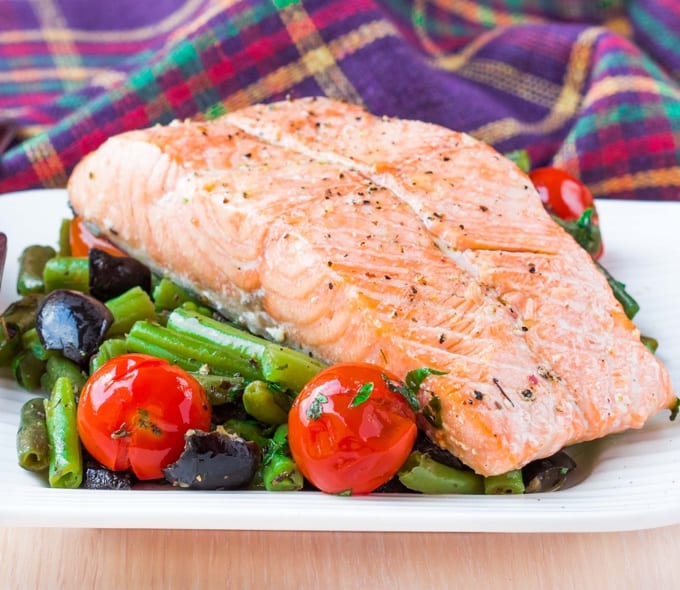
Why I Love This Recipe
- Almost no cleanup — everything cooks in individual foil packets; the pan stays clean.
- Moist and tender every time — the foil traps steam so the salmon can’t dry out.
- 250 calories and 0 WW Points per serving—salmon’s healthy fats are zero-points on current WW.
- Endlessly adaptable — different herbs, different olives, different citrus; the technique stays the same.
- Dinner for two in 25 minutes — from fridge to table without any fuss.

Ingredients and Substitutions
- Fresh salmon fillets — 5 ounces each. The baking time in this recipe is calibrated for fillets of roughly even thickness. Wild-caught tends to be leaner and cook faster; farm-raised is fattier and a bit more forgiving. Either works well here. If using frozen salmon, thaw completely and pat dry before assembling the packets.
- Olive oil spray — just enough to keep the foil from sticking. A light brush of olive oil works too.
- Salt and freshly ground pepper — season the fish lightly; the olives bring their own saltiness.
- Fresh lemon juice — adds the tartness that balances salmon’s richness. Dry white wine is a lovely alternative — a splash of whatever you’re drinking with dinner works perfectly.
- Lemon zest — don’t skip this. The zest has a more concentrated, floral lemon flavor than the juice alone and makes a real difference in the finished dish.
- Fresh basil — a sprig over each fillet perfumes the whole packet. Parsley, dill, tarragon, or a combination of fresh herbs all work beautifully. Spring is a wonderful time to experiment with whatever is coming up in the garden or looking fresh at the market.
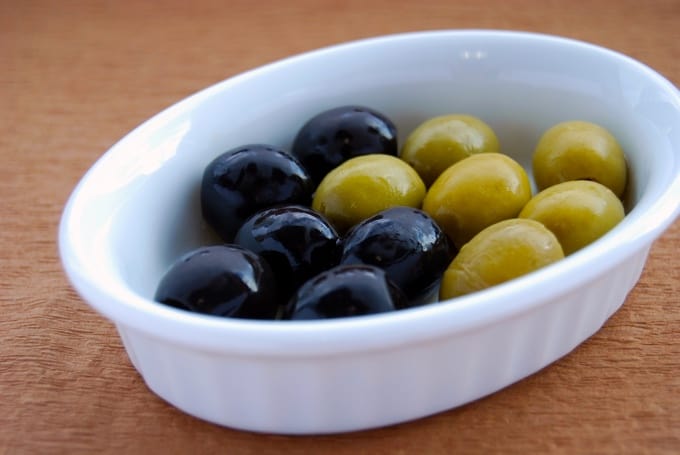
- Green olives — their briny, slightly sharp flavor is a great counterpoint to the lemon and fish. Kalamata or other Mediterranean black olives are equally good — or a mix of both.
- Cherry tomatoes — they burst gently during baking and add a bit of sweetness and juice to the packet. Any small tomato works.
- Lemon slices — one per packet, placed on top of the fillet. Mostly visual, but they also add a little more lemon fragrance as they warm.
- Foil vs. parchment — regular aluminum foil is what I use, but parchment paper packets work just as well if you prefer to avoid foil. Fold and crimp the edges tightly either way.
How to Bake Salmon in Foil
Step 1: Heat the oven to 350°F.
Step 2: Cut two 8-inch squares of aluminum foil. Lightly spray each piece with olive oil. Place one salmon fillet on each piece of foil.
Step 3: Season each fillet lightly with salt and freshly ground pepper. Sprinkle 1 tablespoon of lemon juice over each fillet.
Step 4: Sprinkle each with half the lemon zest and lay a basil sprig on top.
Step 5: Tuck 3 olives alongside the fish on one side and 3 cherry tomatoes on the other. Place a lemon slice on top of each fillet.
Step 6: Bring two sides of the foil up and fold together to enclose the fish in a sealed packet. Leave a little space inside—you want some room for steam to circulate.
Step 7: Bake for 15 to 20 minutes depending on the thickness of the fillets and your preferred doneness. At 15 minutes the salmon will be just cooked through and silky; at 20 minutes it will be firmer and fully opaque.
Step 8: Carefully open the packets (steam will escape) and serve immediately.
Tips for Success
- Don’t skip the lemon zest. It adds a floral, concentrated citrus note that the juice alone doesn’t deliver. A fine microplane grater makes quick work of it.
- Seal the packets well but leave room inside. A tight seal traps the steam; but if the foil is pressed directly against the fish there’s no room for that steam to work. Fold and crimp the edges but keep a loose dome shape over the fillet.
- Check for doneness at 15 minutes. Carefully open one packet and press the thickest part of the fillet gently with a fork—it should flake easily but still look slightly translucent at the very center if you like it silky. Closer to fully opaque if you prefer it cooked through.
- Use a rimmed baking sheet (affiliate link). The packets can release a little juice, but a sheet pan keeps things tidy.
- Warm olives are their own reward. Alongside the lemony salmon they’re genuinely wonderful, don’t pick them out.
Serving Suggestions
Serve with simple roasted potatoes, steamed rice, or crusty bread to soak up the juices from the packet. A light spinach salad rounds out the meal nicely. A few SNL sides that pair particularly well:
- Healthy Broccoli Avocado Salad
- Simple Summer Corn Tomato Salad
- Rosemary Roasted Potatoes
- Orzo Salad with Vegetables
- Roasted Carrots a Variety of Ways
A good California chardonnay is the classic pairing here—and a splash of whatever you are pouring can go right into the packet as a substitute for the lemon juice.
Storing
This recipe is sized for two, so leftovers are rarely an issue. If a few bites remain, store them covered in the refrigerator and eat cold within a day—flaked over a salad or with crackers as a small protein snack. Reheating salmon tends to dry it out; cold is actually the better option for leftovers.
WW Points and Calories
According to my calculations, each serving has about 250 calories and 0 WW Points.
To see your personalized WW Points, track this recipe in the WW App!
(You must be logged into WW on a smartphone or tablet.)
Old WW plan: 6 PointsPlus
If you’ve made this Easy Baked Salmon, please give the recipe a star rating below and leave a comment letting me know how you liked it. And stay in touch on Pinterest, Facebook, Instagram and Twitter for the latest updates.
Easy Healthy Baked Salmon in Foil for Two
Ingredients
- 2 fresh salmon fillets (5 ounces each)
- Olive oil spray
- Salt and freshly ground pepper
- 2 tablespoons lemon juice
- Zest of 1 small lemon
- 2 sprigs basil
- 6 green olives
- 6 cherry tomatoes
- 2 lemon slices
Instructions
- Heat the oven to 350F degrees.
- Cut two 8-inch squares of aluminum foil. Lightly spray each piece of foil with olive oil. Place a fillet on each piece of foil.
- Season fish lightly with salt and pepper. Sprinkle 1 tablespoon lemon juice over the filets.
- Sprinkle each with half of the lemon zest and cover the fish with a basil sprig.
- Place 3 olives alongside the fish on one side. Place 3 tomatoes on the other side. Top each fillet with a lemon slice.
- Bring 2 sides of the foil together to enclose the fish.
- Bake for 15 to 20 minutes, depending on desired doneness.
- Unwrap the packets and serve immediately.
Notes
(You must be logged into WW on a smartphone or tablet.) Old WW plan: 6 PointsPlus With such a rich and oily fish, it is a good idea to add a tart balance of lemon juice, or dry white wine, to balance the flavor. Play around with herbs to make flavors jump—I chose fresh basil, but parsley, dill, tarragon or a combination would all be delicious. I used regular foil to make the packages, however if you have parchment paper that’s a great substitute. The green olives added a briny taste which was lovely for us. If you have black Kalamatas or other Mediterranean olives, they are just as tasty in this dish. The baking time will vary based upon the size and thickness of your salmon.
Nutrition
Nutrition information is automatically calculated, so should only be used as an approximation.
Frequently Asked Questions
Can I use frozen salmon?
Yes, thaw it completely in the refrigerator overnight and pat the fillets dry before assembling the packets. Excess moisture from improperly thawed fish can make the result watery rather than steamed.
Wild-caught or farm-raised, does it matter?
Both work well here. Wild-caught salmon is leaner and tends to cook a minute or two faster; farm-raised is fattier and a bit more forgiving if it goes slightly over. The foil method is gentle enough that either turns out well.
How do I know when it’s done?
Press the thickest part gently with a fork at the 15-minute mark. It should flake easily along its natural lines. The flesh will go from translucent to opaque as it cooks—silky and just-opaque at 15 minutes, fully firm and opaque at 20. The USDA recommends an internal temperature of 145°F if you want to be precise.
Can I add vegetables inside the packet?
Absolutely! Thinly sliced zucchini, asparagus tips, or baby spinach all cook well alongside the fish in the same time. Heartier vegetables like broccoli or carrots need a head start and won’t be tender in 15–20 minutes, so stick to quick-cooking options.
Can I make these ahead?
You can assemble the packets a few hours ahead and refrigerate them unsealed, then seal and bake when ready. Don’t add the lemon juice until just before baking—it will start to “cook” the fish if it sits too long.


